


A dental emergency includes a knocked-out tooth, severe toothache, facial swelling, or a broken tooth or crown that needs care within hours, not days. Treeline Dental provides prompt emergency dental care in North York, ON to relieve pain and protect your smile. Acting quickly and correctly, such as storing a knocked-out tooth in milk, can make the difference in saving it. Contact Treeline Dental now for same-day guidance.

What Counts as a Dental Emergency?

A dental emergency is any situation involving severe pain, active bleeding, or a real risk of long-term damage to your teeth or gums. Common examples include a knocked-out tooth, a cracked or broken tooth, facial or gum swelling, a lost filling or crown, and a persistent toothache that will not ease with over-the-counter pain relief. If you are unsure whether your situation qualifies, it is always safer to call and describe your symptoms than to wait and hope it improves on its own.

Not every dental issue needs to be treated as an emergency, and knowing the difference can save you an unnecessary after-hours trip. Mild sensitivity, a small chip that does not hurt, or a temporary ache after dental work can usually wait for a regular appointment. When in doubt, a quick call to describe your symptoms lets our team help you decide whether it is truly urgent.

Dental Emergency Care in North York, ON: What to Do First

In almost every dental emergency, the first steps are the same: stay calm, control any bleeding with clean gauze, manage pain with a cold compress on the outside of your cheek, and contact Treeline Dental as soon as possible for emergency dental care. What you do in the next few minutes can meaningfully affect the outcome, especially for a knocked-out tooth.

Knocked-Out Tooth: Step-by-Step First Aid

  • Pick the tooth up by the crown (the chewing surface), never by the root
  • If it is dirty, rinse it gently with water or milk, without scrubbing or removing any attached tissue
  • If possible, try to gently reinsert the tooth into its socket and hold it in place
  • If reinsertion is not possible, keep the tooth moist in milk or a saliva-soaked container, not dry tissue
  • Get to a dentist within 30 to 60 minutes for the greatest chance of saving the tooth

Managing Pain and Swelling While You Wait for Your Appointment

While you wait for your emergency appointment, a few simple measures can keep you more comfortable. Keep your head elevated, even while sleeping, since lying flat can increase throbbing pain and swelling. Stick to lukewarm foods and avoid extreme hot or cold, which can trigger sharp pain in an already sensitive tooth. Over-the-counter pain relievers taken as directed on the label can help manage discomfort, but they treat the symptom, not the underlying problem, so they are a bridge to your appointment rather than a substitute for it. If pain is escalating rapidly or swelling is spreading toward your eye or down your neck, call our office right away rather than waiting for your scheduled time.

Severe Toothache or Facial Swelling: What to Do

  • Rinse your mouth with warm salt water to reduce irritation
  • Apply a cold compress to the outside of your cheek to help control swelling
  • Take an over-the-counter pain reliever as directed, avoiding placing aspirin directly on your gums
  • Contact your dentist right away, especially if swelling is spreading or you develop a fever

Facial swelling paired with fever can indicate a spreading infection, which needs urgent attention rather than a wait-and-see approach.

Broken Tooth, Lost Filling, or Lost Crown

  • Rinse your mouth gently to clear away any debris
  • Apply gauze with light pressure for 10 to 15 minutes if there is any bleeding
  • Save any broken tooth fragments and bring them to your appointment
  • Cover a lost filling or crown with dental wax or sugar-free gum as a temporary measure, and avoid chewing on that side
  • Book an urgent appointment for repair or reattachment as soon as possible

Protecting a Damaged Tooth Until You're Seen

A cracked or broken tooth is often more fragile than it looks, even if the visible damage seems minor. Avoid chewing on that side of your mouth entirely until it has been examined, since ordinary chewing pressure can turn a small crack into a full fracture or push bacteria deeper into the tooth. Sensitivity to air, sweetness, or temperature around a damaged tooth is common and does not necessarily mean the worst-case scenario, but it is still worth having checked promptly, since a tooth that seems stable today can deteriorate quickly if the crack extends toward the nerve.

When to Go to the Emergency Room Instead of a Dentist

Most dental emergencies should go to an emergency dentist rather than a hospital ER. However, you should go to the emergency room, or call for emergency medical help, if you experience uncontrolled bleeding lasting more than 30 minutes, a suspected facial fracture, difficulty breathing or swallowing due to swelling, or a high fever alongside facial swelling that suggests a spreading infection. Otherwise, contact Treeline Dental directly for prompt emergency dental care.

What Happens During an Emergency Dental Visit in North York, ON

An emergency visit starts with getting you out of pain and assessing the extent of the damage, usually with a targeted exam and X-ray of the affected area. From there, treatment depends on what is found: it might mean a filling, crowns and bridgesroot canal treatment if the infection has reached the inner tooth, or, for a tooth that cannot be saved, a conversation about replacement options through restorative dentistry. Our priority in an emergency is always pain relief first, followed by a clear plan for whatever comes next.

If antibiotics are needed to control an infection before further treatment can proceed, your dentist will prescribe them at this visit and schedule a follow-up once the infection has settled. Being upfront about your symptoms, when the pain started, whether it is constant or triggered by temperature, and any swelling, helps your dentist zero in on the cause faster and get you out of pain sooner.

How to Prevent Common Dental Emergencies

  • Wear a mouthguard during sports or contact activities
  • Avoid chewing ice, hard candy, or using your teeth to open packaging
  • Address teeth grinding with a night guard if your dentist recommends one
  • Keep up with regular exams and cleanings, since small problems caught early rarely turn into emergencies

Routine visits, like the process covered in our guide to what to expect at your new patient dental exam and regular dental hygiene cleanings, catch cracks, decay, and weak fillings before they turn into after-hours emergencies.

Why Dental Emergencies Happen

Most dental emergencies trace back to a small handful of causes: sports contact without a mouthguard, biting down on something hard like ice or a popcorn kernel, untreated decay that quietly weakens a tooth until it fractures, and grinding or clenching that gradually wears down enamel and old fillings. Facial swelling and severe toothaches are frequently the result of an infection that has been developing for some time before pain finally becomes noticeable. Understanding these common causes is part of why routine exams matter, since a dentist can often spot a weak tooth or early infection well before it turns into an emergency.

Age and existing dental work also play a role. Older fillings and crowns weaken over time and can crack or dislodge unexpectedly, sometimes while eating something perfectly ordinary. Anyone with a history of root canal treatment or extensive restorative dentistry is slightly more prone to issues at those same sites later on, which is one more reason consistent follow-up care matters even after treatment is technically finished.

Pediatric Dental Emergencies: What Parents Should Know

Children’s dental emergencies, from a knocked-out baby tooth to a fall that chips a front tooth, understandably alarm parents, but the response often differs from an adult emergency. A knocked-out baby tooth is generally not reinserted, since doing so can damage the developing permanent tooth underneath, while a knocked-out permanent tooth in an older child follows the same reinsertion or milk-storage steps as an adult tooth. Our pediatric dentistry team can talk you through what is and is not urgent over the phone, so you know whether to come in immediately or simply monitor the area.

After-Hours and Weekend Dental Emergencies in North York, ON

Dental emergencies rarely happen on a convenient schedule. If you experience a dental emergency outside of regular business hours, call Treeline Dental and follow the voicemail or messaging instructions for urgent situations, and follow the appropriate first-aid steps above in the meantime. For true medical emergencies, such as uncontrolled bleeding or breathing difficulty, go to the nearest emergency room without delay rather than waiting for a callback.

Why Choose Treeline Dental for Emergency Care in North York, ON

Treeline Dental offers prompt emergency appointments during regular hours, led by a team with advanced surgical training under Dr. Kreena Patel. When you call about a dental emergency, our team will help you manage the situation over the phone, walk you through first aid while you travel to our office, and get you seen as quickly as possible.

Contact Treeline Dental right now if you are dealing with a dental emergency in North York, ON.

How to Choose a Family Dentist in North York: What to Look For

How to Choose a Family Dentist in North…

Choosing a family dentist comes down to a few practical factors: whether the practice treats […]
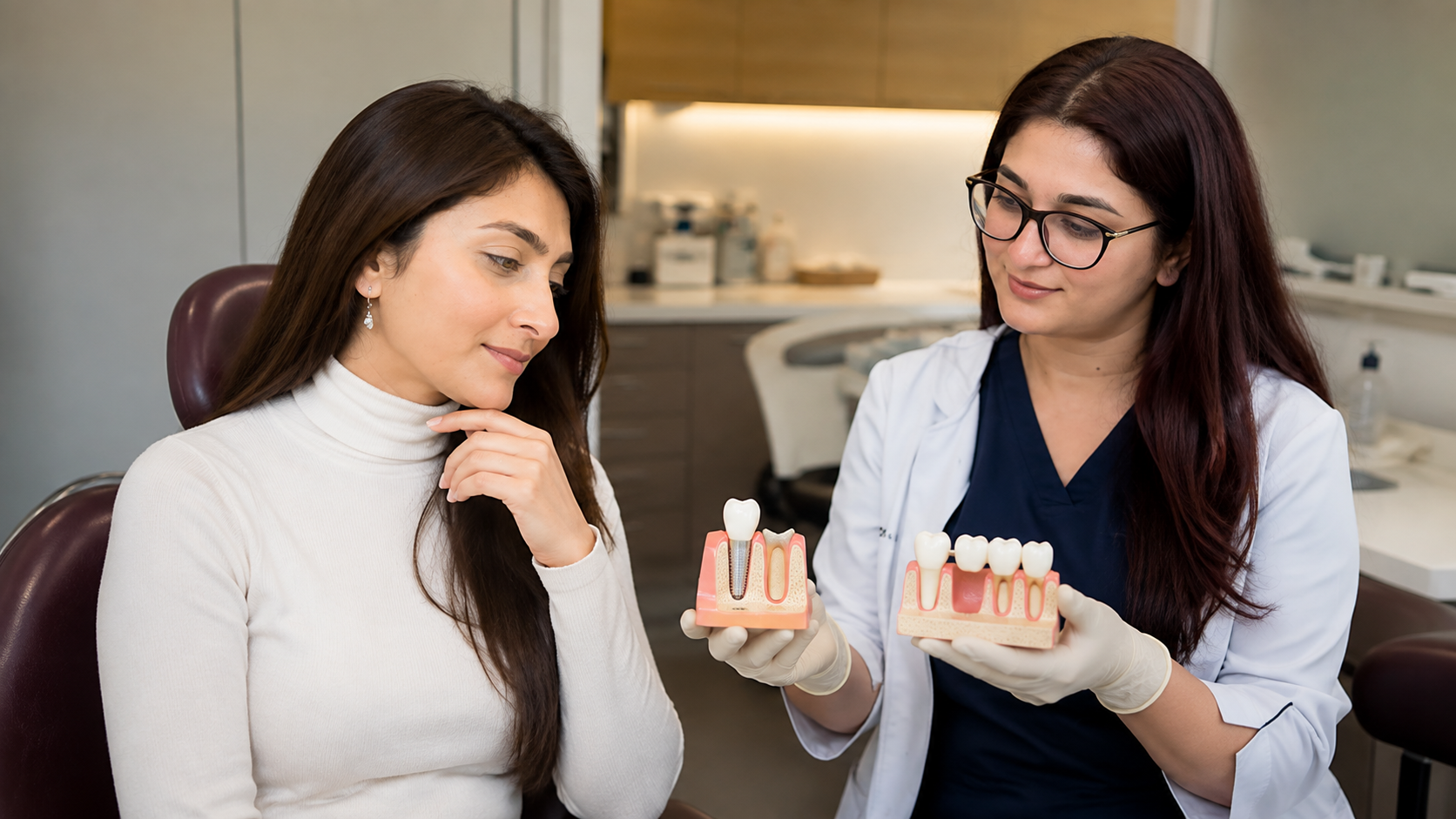
Dental Implants vs. Dental Bridges: Which Is Better for a Missing Tooth?

Dental Implants vs. Dental Bridges: Which Is Better…

A dental implant replaces the entire tooth, including the root, and typically lasts decades with […]
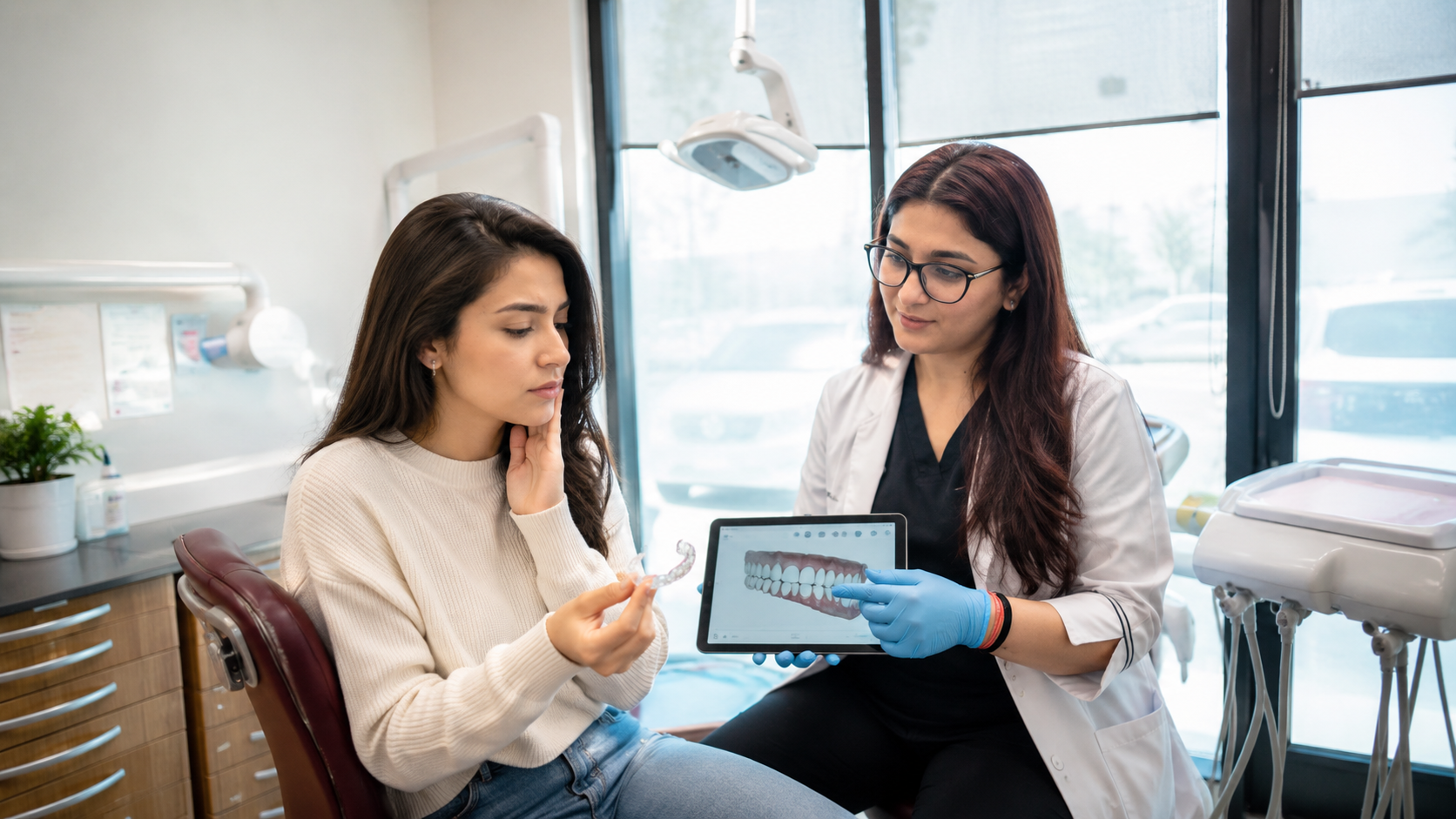
What Happens If You Don’t Wear Your Invisalign Aligners Enough?

What Happens If You Don’t Wear Your Invisalign…

Invisalign aligners are designed to be worn 20 to 22 hours a day, and falling […]