
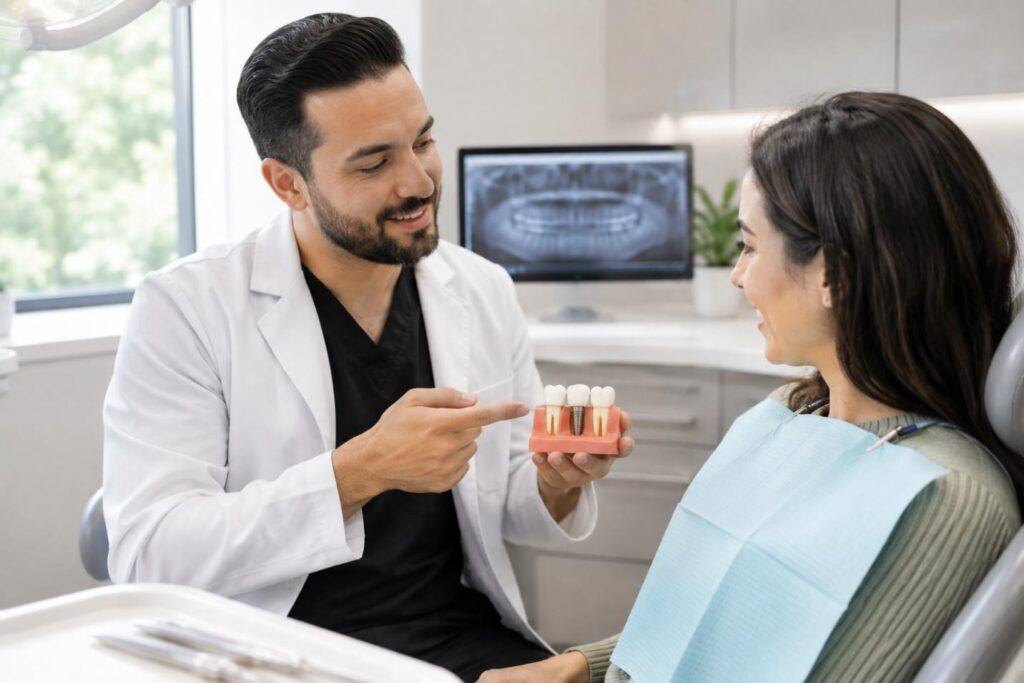

Dental implants in North York, ON typically cost $3,000 to $6,500 per single tooth, with full-arch options costing more depending on materials and whether bone grafting is needed. An implant replaces a missing tooth with a titanium post that fuses to the jawbone, restoring function and appearance long-term. Treeline Dental’s dental implants team evaluates your bone density and health history to confirm candidacy. Contact Treeline Dental to book a consultation.

What Are Dental Implants and How Do They Work?

A dental implant is a small titanium post that is placed into the jawbone to act as an artificial tooth root. Over several months, the bone fuses to the implant in a process called osseointegration, creating a stable foundation for a replacement crown, bridge, or denture. Unlike removable options, an implant restoration functions and feels like a natural tooth, and it also helps preserve the jawbone that can otherwise shrink after tooth loss.

Titanium is used specifically because it is biocompatible, meaning the body generally does not reject it, and it is strong enough to handle normal biting and chewing forces indefinitely with proper care. Once the crown is attached, most patients find it difficult to distinguish an implant tooth from a natural one, both in appearance and in day-to-day function.

Dental Implants Cost in North York, ON

Implant pricing depends heavily on how many teeth are being replaced and what type of restoration is used:

  • Single tooth implant: roughly $3,000 to $6,500 per tooth, including the implant, abutment, and crown
  • Implant-supported bridge: priced per case, based on the number of implants and teeth being replaced
  • Full-arch (All-on-4 style) restoration: roughly $20,000 to $35,000 or more per arch, depending on materials

Several factors affect where your case falls within these ranges: the crown or prosthesis material (acrylic versus zirconia), whether bone grafting is needed to support the implant, the implant brand and system used, and any sedation option you choose for the procedure. Your dentist will provide a detailed, itemized quote once your treatment plan is finalized, and our team can help you understand what your dental insurance is likely to cover.

It is worth comparing quotes on what is actually included, not just the headline number. Some quotes bundle the consultation, imaging, implant, abutment, and crown into one price, while others list each stage separately, which can make comparing two clinics side by side confusing unless you ask specifically what each quote covers.

The Dental Implant Process, Step by Step

  • Consultation and imaging: a detailed scan assesses your bone structure, remaining teeth, and overall candidacy
  • Treatment planning: your dentist maps out exact implant positions before any surgery takes place
  • Implant placement: the titanium post is surgically placed into the jawbone, often with a temporary tooth in place the same day
  • Osseointegration: a healing period of roughly three to six months while the bone fuses to the implant
  • Final restoration: a custom crown, bridge, or denture is attached once healing is complete
  • Ongoing maintenance: regular checkups and cleanings keep your implant and surrounding gum tissue healthy long-term

Who Is a Candidate for Dental Implants in North York, ON?

Good implant candidates generally have:

  • Adequate jawbone density to support an implant, or a willingness to undergo bone grafting if needed
  • Healthy gums, free of active periodontal disease
  • Good overall health, with any chronic conditions reasonably well managed
  • Non-smoker status, or a genuine commitment to quitting, since smoking significantly raises the risk of implant failure

Conditions such as uncontrolled diabetes or active cancer treatment may affect candidacy and are assessed individually, so a full consultation is the only reliable way to know whether implants are the right fit for your situation. Patients with lower bone density are not automatically ruled out, since bone grafting can often build up the site enough to support an implant.

Bone Grafting and Sinus Lifts: When Extra Steps Are Needed

When a scan shows insufficient bone to support an implant, that does not automatically rule you out, it usually just adds a preparatory step. Bone grafting rebuilds volume and density at the implant site using graft material that integrates with your existing bone over a few months, after which implant placement can proceed as usual. For upper back teeth, where the sinus cavity sits close to the jawbone, a sinus lift may be needed to create enough vertical space for an implant. Both procedures add time to the overall process, generally a few extra months of healing before placement, but they open up implant options for patients who would otherwise only qualify for dentures or a bridge.

How Long Does Osseointegration Take?

Osseointegration, the process where the titanium implant fuses with your jawbone, generally takes three to six months. During this healing window, you will likely have a temporary tooth in place and may be advised to stick to softer foods around the implant site. Your dentist will monitor healing progress with follow-up appointments before moving forward with your final, permanent restoration.

Dental Implants vs Dentures and Bridges: Which Is Right for You?

Implants, dentures, and crowns and bridges all replace missing teeth, but they work differently. An implant stands on its own without relying on neighbouring teeth, which makes it a strong long-term option when a single tooth or a few teeth are missing. Traditional bridges anchor to the teeth on either side of the gap, which can be a faster and less invasive option in the right situation. Full or partial dentures remain the most cost-effective way to replace several or all missing teeth, though they do not offer the same bite strength or bone-preserving benefits as implants. Your dentist can walk you through the trade-offs of each option based on your bone health, budget, and how many teeth need replacing.

Are Dental Implants Covered by Insurance?

Coverage varies significantly between insurance providers. Some plans cover a portion of the crown or restorative component while treating the surgical placement as a separate, sometimes uncovered, cost, while other plans exclude implants entirely and only cover an equivalent bridge or denture cost as an alternative. Our team can help you understand your specific plan’s coverage and discuss financing or payment plan options for the remaining balance, so you can plan around the real out-of-pocket cost rather than guessing.

Single Tooth Implant vs Full-Arch Implants: Which Do You Need?

Not every patient missing teeth needs a full-arch solution. A single missing tooth is generally most efficiently addressed with one implant and crown, which avoids altering any healthy neighbouring teeth. Patients missing several teeth in a row may be candidates for an implant-supported bridge, using two or more implants to support several replacement teeth at once, which can be more cost-effective than individual implants for each gap. Full-arch, All-on-4 style restorations are typically reserved for patients missing most or all of their teeth in a jaw, replacing an entire arch with as few as four implants supporting a fixed prosthesis. Your dentist will recommend the option that matches how many teeth you are missing and their position, rather than defaulting to the most extensive treatment available.

Caring for Your Dental Implants After Treatment

Implants do not get cavities, but the gum tissue around them still needs consistent care. Regular dental hygiene cleanings, along with daily brushing and flossing around the implant site, help prevent gum inflammation (peri-implantitis) that can otherwise threaten the long-term success of your implant. If you have other restorative needs alongside your implant, our restorative dentistry team can address them as part of the same overall treatment plan.

Recovery Timeline After Implant Surgery

Most patients experience mild swelling and discomfort for a few days after implant placement, manageable with over-the-counter or prescribed pain medication and a soft-food diet for the first week or so. Any stitches typically dissolve or are removed within one to two weeks, and most people return to normal daily activities within a few days, though strenuous exercise is usually paused briefly to protect the surgical site. The more significant healing, osseointegration, continues quietly in the background over the following months, well after any initial soreness has resolved.

Risks and Success Rates of Dental Implants

Dental implants have a strong long-term track record, with success rates commonly cited above 90 to 95 percent over ten years when patients are good candidates and maintain proper oral hygiene. Risks are relatively low but can include infection at the implant site, implant failure to properly fuse with the bone, or nerve irritation in rare cases, which is why a thorough consultation and imaging beforehand matter so much. Smoking, uncontrolled diabetes, and untreated gum disease are the factors most strongly linked to lower success rates, and addressing these ahead of surgery meaningfully improves your odds.

Choosing an Implant Dentist in North York, ON

Treeline Dental is led by Dr. Kreena Patel, who brings advanced surgical training in oral surgery and implant dentistry to every case. Our North York team walks you through candidacy, cost, and timeline in detail before any treatment begins, so you always know what to expect at each stage of the process, from the first scan to your final restoration.

Contact Treeline Dental to book your dental implant consultation, or learn more about our team first.

How to Choose a Family Dentist in North York: What to Look For

How to Choose a Family Dentist in North…

Choosing a family dentist comes down to a few practical factors: whether the practice treats […]
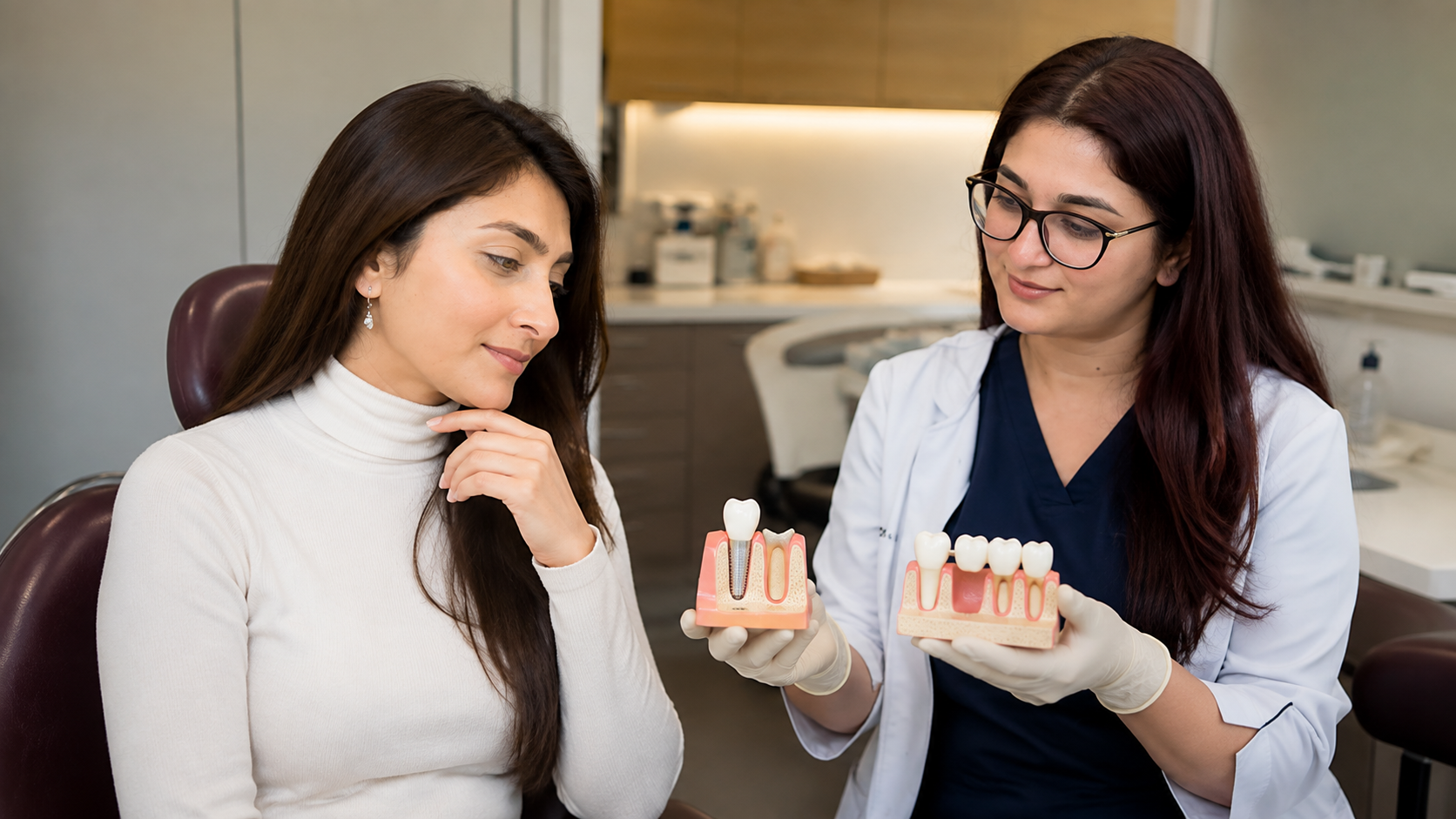
Dental Implants vs. Dental Bridges: Which Is Better for a Missing Tooth?

Dental Implants vs. Dental Bridges: Which Is Better…

A dental implant replaces the entire tooth, including the root, and typically lasts decades with […]
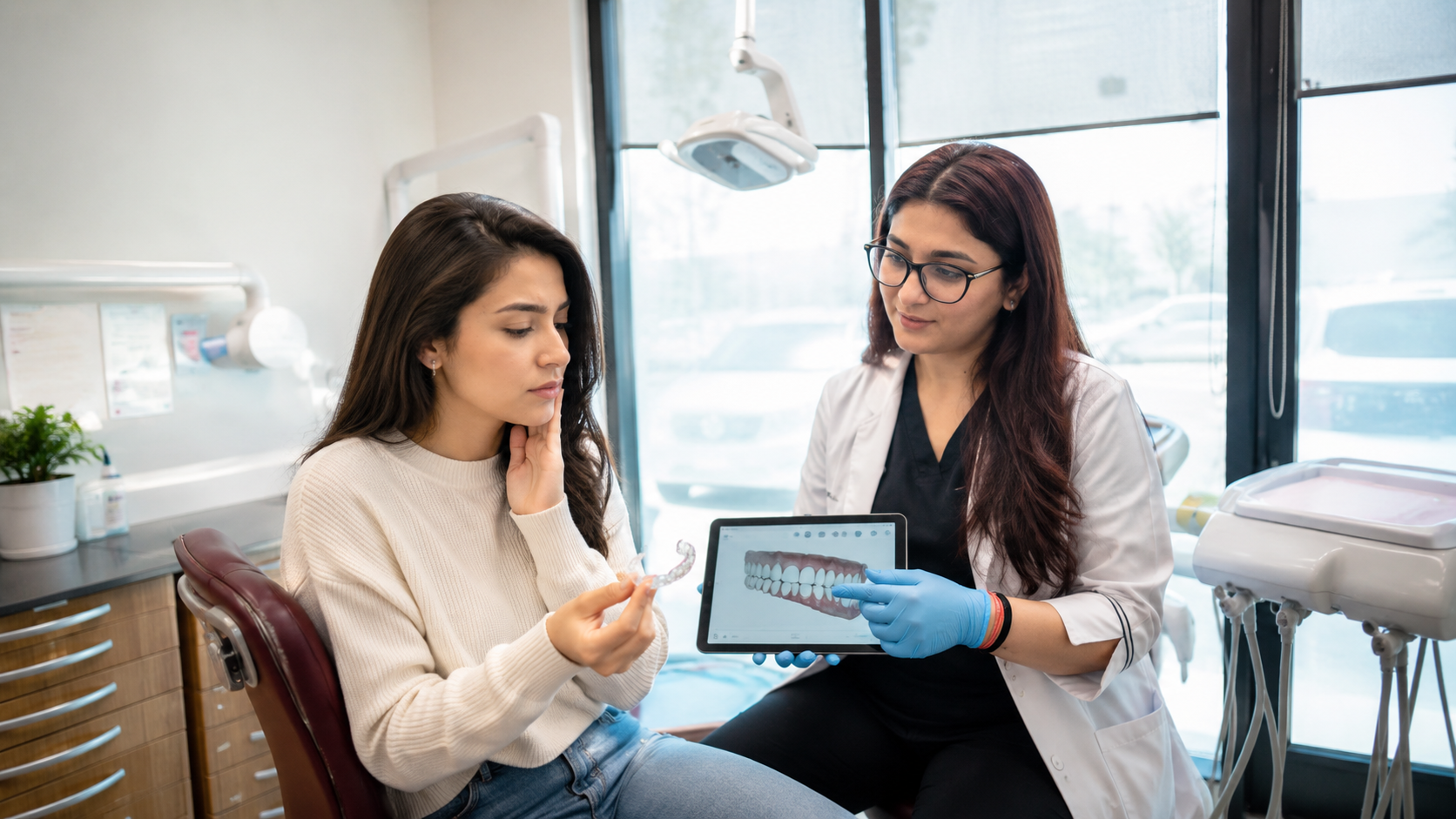
What Happens If You Don’t Wear Your Invisalign Aligners Enough?

What Happens If You Don’t Wear Your Invisalign…

Invisalign aligners are designed to be worn 20 to 22 hours a day, and falling […]