
Do I Need a Bone Graft Before Dental Implants in North York, ON?
A bone graft is needed before dental implants when a CT scan shows the jawbone lacks enough height, width, or density to anchor an implant securely, which commonly happens after a tooth has been missing for a long period, since the bone that once supported it gradually resorbs. Not every implant patient needs grafting; bone adequacy is assessed case by case through imaging rather than assumed from tooth loss alone. Techniques like All-on-4 are sometimes able to work around areas of bone loss that would otherwise require a graft for a traditional single-implant placement.
Why Bone Volume Matters for an Implant
A dental implant depends entirely on the surrounding jawbone for stability, since the titanium post is placed directly into the bone, where it needs to bond and hold firm under the forces of chewing. If the bone at the implant site doesn’t have sufficient height, width, or density, the implant won’t have enough surrounding structure to integrate properly, which can lead to instability or outright implant failure. A bone graft addresses this by adding material to rebuild volume and density before an implant is placed into that site.
Why Bone Loss Happens After Losing a Tooth
When a tooth is lost, whether through extraction, injury, or periodontal disease, the bone that previously supported its root no longer receives the stimulation from chewing forces that keeps bone tissue maintained. Over time, that bone begins to resorb, meaning it gradually shrinks in both height and width. This process accelerates the longer a tooth has been missing, which is part of why a tooth that’s been gone for several years is more likely to need grafting than one replaced with an implant shortly after extraction.
How Bone Adequacy Is Actually Assessed
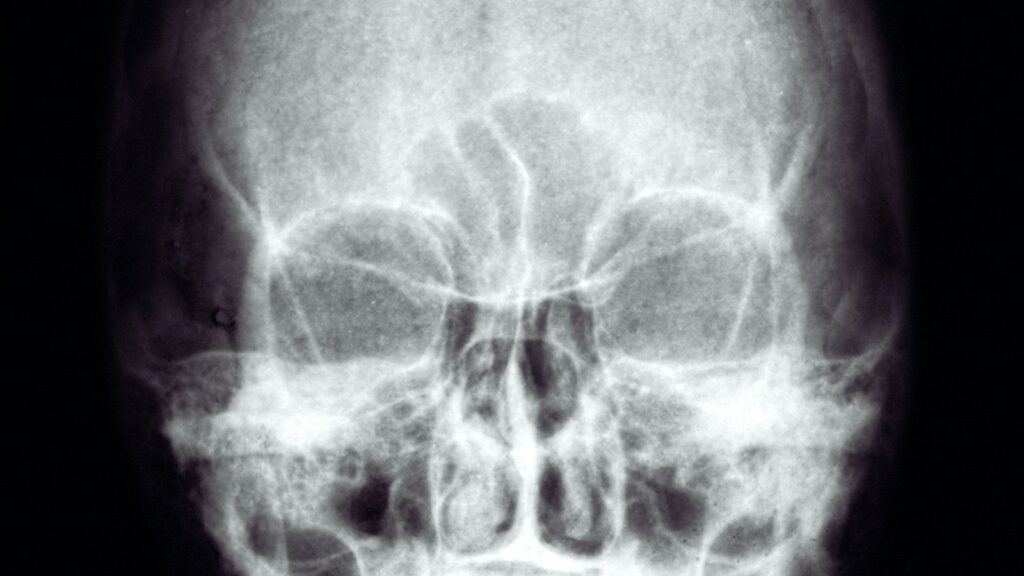
Whether a bone graft is needed isn’t a guess based on how long a tooth has been missing, it’s determined through imaging, typically a cone-beam CT scan that provides a three-dimensional view of the jawbone at the proposed implant site. This scan measures the available bone height and width precisely, allowing the dentist to compare it against what’s needed to support an implant of the appropriate size securely. Some patients assume grafting is automatically required after years without a tooth, and others assume it never applies to them, but the scan is what actually settles the question either way.
Other Reasons Beyond Simple Tooth Loss
While resorption after tooth loss is the most common reason bone grafting comes up, it’s not the only one. Gum disease that’s progressed to the point of affecting the bone supporting nearby teeth can reduce bone volume even where a tooth is still present. Trauma or injury to the jaw can also damage bone structure directly. In each case, the same underlying question applies: does the bone at the planned implant site have enough volume and density to support the implant, regardless of what caused the shortfall.
What a Bone Graft Procedure Actually Involves
A bone graft involves placing graft material at the site needing additional volume, which can come from several sources: the patient’s own bone taken from another site, processed donor bone, or a synthetic bone substitute material, depending on the amount of augmentation needed and the specific site involved. The graft material acts as a scaffold, encouraging the patient’s own bone cells to grow into and eventually replace it with natural bone over time, a process that takes months rather than weeks.
How Long Healing Takes Before an Implant Can Be Placed
Bone graft healing time varies depending on the amount of augmentation needed, but generally ranges from three to six months, and sometimes longer for more extensive grafting. During this period, the graft material is gradually integrating with and being replaced by the patient’s own bone, building the volume and density needed to support an implant securely. Attempting to place an implant before this healing is complete risks the same instability problem the graft was meant to prevent in the first place.
Can an Implant Sometimes Be Placed at the Same Time as a Graft?
In some cases, yes, particularly when the amount of bone augmentation needed is relatively minor. A minor graft placed at the same time as the implant, sometimes called a simultaneous approach, can reduce the overall treatment timeline compared to grafting first and waiting for full healing before placing the implant separately. Whether this combined approach is appropriate depends on the extent of bone loss involved, which is determined by the same CT scan used to assess grafting need in the first place.
Does Everyone Missing a Tooth for Years Need a Graft?
Not necessarily. While bone resorption does progress over time, the rate and extent vary by patient, by which tooth was lost, and by what caused the loss in the first place. Some patients who’ve been missing a tooth for an extended period still have enough bone volume for a standard implant placement without grafting, while others with a more recent loss may still need it depending on site-specific factors. This is exactly why imaging, rather than time elapsed, determines the answer.
How All-on-4 Changes the Bone Graft Conversation
For patients missing most or all of the teeth in an arch, techniques like All-on-4 are specifically designed to work around areas of significant bone loss by angling implants into bone that’s still present, rather than requiring grafting to rebuild volume everywhere a traditional implant plan might need it. This doesn’t eliminate bone grafting as a consideration entirely, but it does mean patients who assumed grafting was unavoidable after years of tooth loss across a full arch sometimes have alternatives worth discussing.
What Happens If a Bone Graft Isn’t Done When It’s Needed
Placing an implant into bone that doesn’t have adequate volume or density, without addressing that shortfall first, risks the implant not integrating properly, becoming loose over time, or failing outright under normal chewing forces. This is why a treatment plan that skips a necessary graft, even if it seems to shorten the timeline, tends to create a larger problem later if the implant doesn’t hold. Addressing bone volume upfront, even though it extends the overall treatment timeline, is what gives the eventual implant the best chance of lasting long-term.
Bone Grafting and Overall Health Considerations
Certain health factors, including uncontrolled diabetes, smoking, and some medications that affect bone metabolism, can influence how well a bone graft heals and integrates before an implant is placed. These factors don’t automatically rule out grafting, but they’re part of why a full health history is reviewed alongside the imaging when planning implant treatment, since they can affect both the recommended healing timeline and the likelihood of a successful outcome.
What Recovery From a Bone Graft Typically Feels Like
Most patients experience some swelling and mild discomfort in the days immediately following a bone graft procedure, generally manageable with the pain management approach recommended for the specific graft performed. A softer diet is usually advised for the first stretch of healing to avoid putting pressure on the graft site while it begins to stabilize, along with guidance on keeping the area clean without disturbing the graft material directly. Most of the noticeable recovery symptoms ease within the first one to two weeks, well before the longer three-to-six-month process of the graft fully integrating with the surrounding bone is complete.
Finding Out if You Need a Bone Graft in North York
Whether your jawbone has enough volume and density for an implant, or needs building up first, is something a CT scan answers directly rather than something that can be assumed from how long a tooth has been missing. If you’re considering an implant and aren’t sure where you stand, scheduling a consultation with imaging is the way to get a clear answer before any treatment plan is finalized.
Frequently Asked Questions: Dental Bone Grafts Before Implants
It depends on whether a CT scan shows your jawbone has enough height, width, and density to support an implant securely. Not every implant patient needs grafting; it’s assessed case by case through imaging.
Once a tooth is lost, the surrounding bone no longer receives chewing stimulation and gradually resorbs, shrinking in height and width over time. This process accelerates the longer the tooth has been missing.
A cone-beam CT scan provides a three-dimensional view of the jawbone at the implant site, measuring available bone height and width against what’s needed to support an implant securely.
Graft material can come from the patient’s own bone, processed donor bone, or a synthetic bone substitute, depending on the amount of augmentation needed and the specific site involved.
Healing generally takes three to six months, sometimes longer for more extensive grafting, as the graft material is gradually replaced by the patient’s own natural bone.
In some cases, yes, particularly for minor augmentation. This simultaneous approach can shorten the overall treatment timeline, but whether it’s appropriate depends on the extent of bone loss shown on imaging.
Not necessarily. Bone resorption varies by patient and site, and some patients with long-missing teeth still have enough bone volume for a standard implant without grafting, which imaging confirms either way.

5 Responses